


Hi, my name is Amber. I currently have 54 piercings and have had over 70 throughout my life. In this article, I’m going to talk about piercing infection—how to prevent it, how to spot it, and how to treat it.
How to Get Rid of Ear Piercing Infection?
Piercings can get infected for many different reasons. There are many things you can do to prevent infection in the first place.
Never Use a Piercing Gun
The number one thing is to avoid getting any piercing done with a gun.
A piercing gun can spread germs and bacteria from one person to another. The only way to fully clean a piercing gun is with an autoclave, which will melt the gun. If you’re getting a piercing done with a gun, you could be getting all of the germs from every single person who has gotten a piercing with that gun.
Because of how fast a piercing gun pushes through, it can shatter the cartilage. This raises the risk of getting an infection or having your piercing rejected. This also increases the risk of developing a keloid.
Understanding Keloids and Hypertrophic Scarring
A keloid, otherwise known as hypertrophic scarring, is damaged tissue. This is a tiny lump—sometimes big, sometimes small—that will form around a piercing.
The number one thing you need to know if you develop a keloid is not to pick at it, poke it, or try to cut it off. These actions can cause an infection or make the keloid get even bigger. In extreme cases, keloids can get huge, though this isn’t that common.
Keloids are pretty common after getting an industrial piercing. If you get your industrial pierced and notice a big lump forming around the area, as long as it doesn’t look infected, it’s absolutely fine. Don’t pick at it, don’t poke it, clean it normally, and don’t over-clean it. It will go away by itself.
With an industrial piercing, this can take quite a while—they can take up to a year to heal. Mine took about five months to heal, and within that time it got infected. I had to go to the doctor and get a prescription for antibiotics.
The infection I had was at no fault of my own. This can happen with any piercing. You can be cleaning it the right way and it can still get infected.
Why Needles Are Better Than Piercing Guns
A piercing needle is hollow. When the needle goes through, it’s actually taking away part of the skin or part of the cartilage. This makes room for the jewelry. With a piercing gun, the stud does not allow this—it just pushes straight through. The bar is nowhere near long enough for the swelling you’re going to get on your piercing.
Every piercing will swell to an extent. You want a long bar in it, not one of those tiny studs you’ll get at a pharmacy or at Claire’s.
How to Clean Your Piercing
After your piercing is done, there are ways you should and should not clean it.
What to Avoid
Make sure to avoid any harsh cleaning methods such as hydrogen peroxide. Avoid any antibacterial soaps and ointments. Anything that’s a gel or is oily can clog up the area, which is what you do not want to happen. You want your piercing to be able to breathe.
That cheap piercing spray you get from drugstores—it doesn’t work. Please don’t use that stuff. It’s not really going to do anything. It’s like spraying water on your ears. It does nothing.
What to Use to Clean Your Piercing
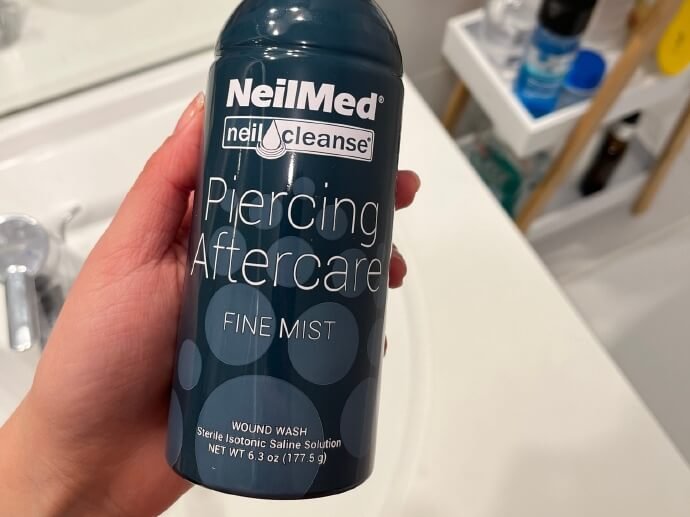
The best way to clean your piercing is to use sea salt or saline solution.
Don’t Over-Clean
Over-cleaning a piercing can cause an infection. If you’re cleaning your piercing three, four, five times a day, you might think you’re doing a good job. What you’re really doing is getting rid of the natural bacteria your body needs to heal that piercing by itself.
Unless it’s infected or your body piercer gives you other recommendations, please don’t clean it any more than three times a day.
Keep Your Hands Clean
Make sure you don’t pick at it, poke it, or try to cut away any scabs or dried blood with your fingers. There are so many germs on your fingers, and you’re spreading that to an open wound.
While you’re cleaning your piercing, make sure your hands are fully clean or you’re wearing gloves. This will help prevent infection and will help not spread bacteria from your fingers to your piercing.
Protecting Your Piercing During Healing
Avoid Snagging and Irritation
Try to keep your piercing away from your hair or your clothes. If it catches on your hair or on your brush, it’s going to hurt. This can make it really irritated and can cause an infection.
Clothing Considerations
If you have your belly button pierced, don’t wear high-waisted jeans or clothes that are too close to the piercing. Try to leave it as open as possible. Don’t wear tight clothes that are going to restrict it or clothes that are going to make it sweat. When a piercing starts to sweat, that can cause an infection.
Sleep Position Matters
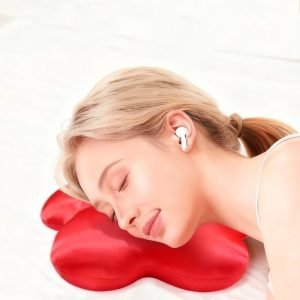
If you sleep on your side and want your ears pierced, get your piercing done on the side you don’t sleep on. This can help reduce the risk of infection because you’re not rubbing on it or sleeping on it. It’s not going to get as irritated as if you get it done on the side you sleep on. Believe me, I’ve done that before and it sucks.
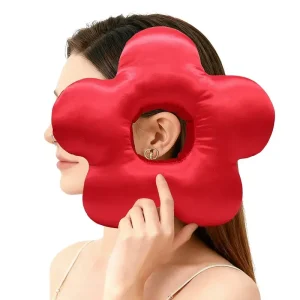
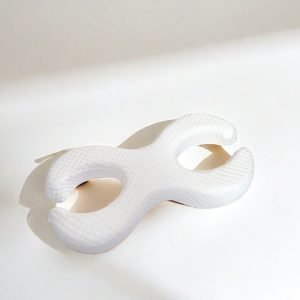
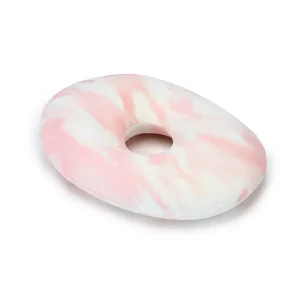
You can get a piercing pillow to help you.
-
Donut Memory Foam Piercing Pillow
Original price was: $89.00.$79.00Current price is: $79.00. -
Donut Piercing Pillow
Original price was: $59.90.$39.90Current price is: $39.90. -
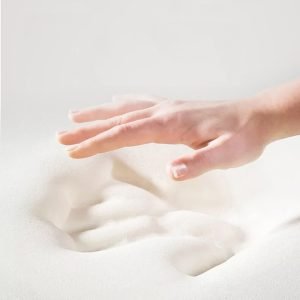
Memory Foam Piercing Pillow
Original price was: $99.00.$89.00Current price is: $89.00. -
Piercing Pillow for Side Sleepers
Original price was: $120.00.$99.00Current price is: $99.00.
Long-Term Care and Unexpected Infections
If you have an ear piercing that’s been healed for a long time and it gets infected for no reason, that can still happen. Any piercing can get infected at any time, just as every single piercing can get rejected at any time.
I have a few cartilage piercings that I got done with a gun. Every now and then they’ll get infected or they’ll get inflamed and irritated. I either have to change the jewelry or just clean it a little bit, and then it goes away.
Infection vs Rejection: Knowing the Difference
The last thing to know is the difference between infection and rejection. Sometimes it’s difficult to know the difference.
Surface Piercings and Rejection
It’s not as common for ear piercings to reject as it is for surface piercings. Surface piercings have a higher rate of rejection than other piercings.
Signs of Rejection
If you’re cleaning your piercing the way you’re supposed to and it’s just not healing, and you’ve already sought advice from your doctor or your body piercer, there’s a high chance that piercing could be rejecting. If that’s the case, unfortunately there’s no way to fix it. You have to take it out because a rejected piercing will never heal.